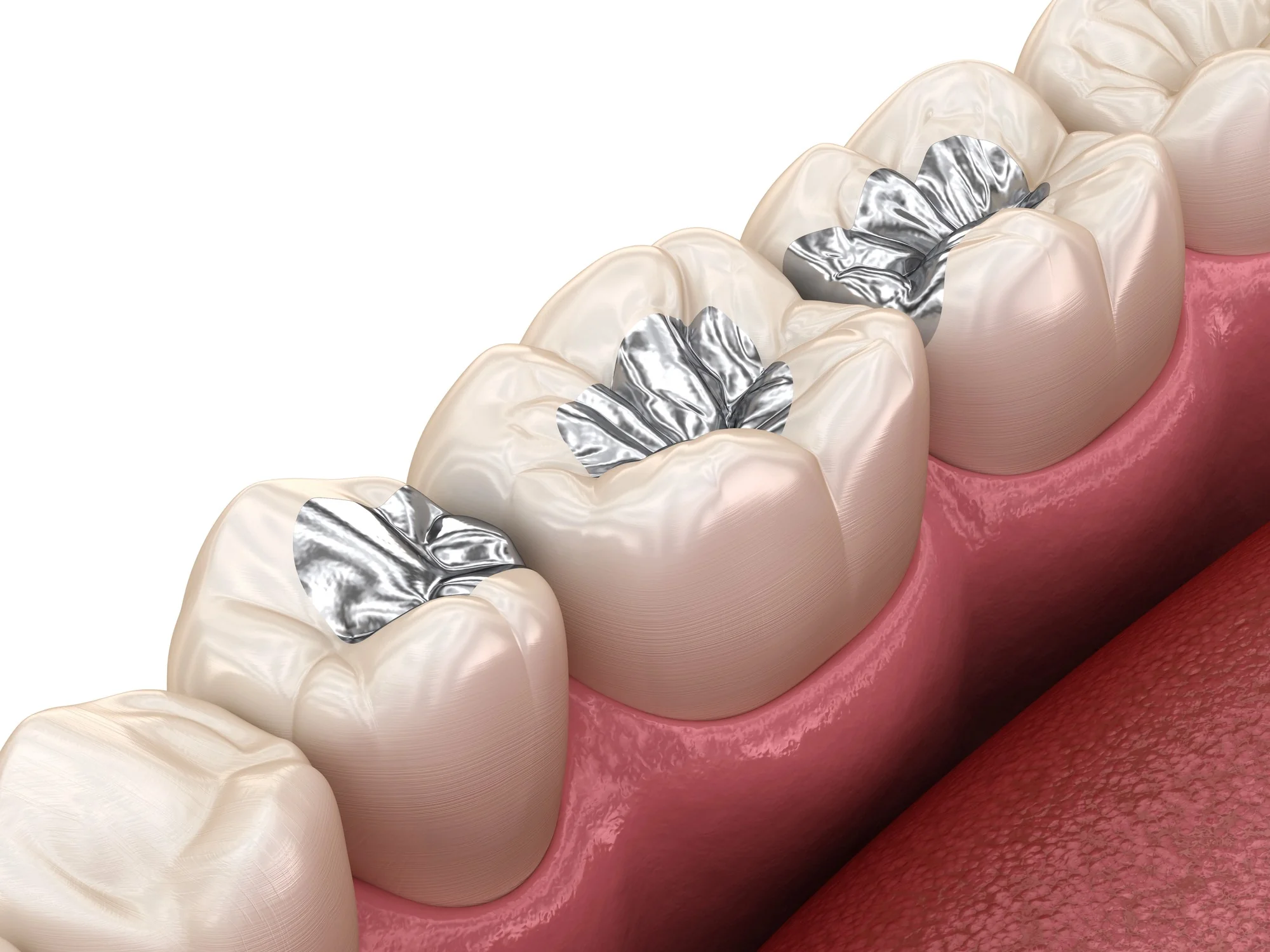
Cavities often start in hard-to-clean areas, especially the deep grooves of the back teeth. Even with consistent brushing and flossing, food particles and plaque can collect in these tiny spaces.
If you are searching for a dentist’s office near me in 18104, learning about dental sealants can help you better understand one of the simplest ways to protect your teeth from decay. Sealants are commonly recommended for children and teens, but some adults may also benefit.
What Are Dental Sealants?
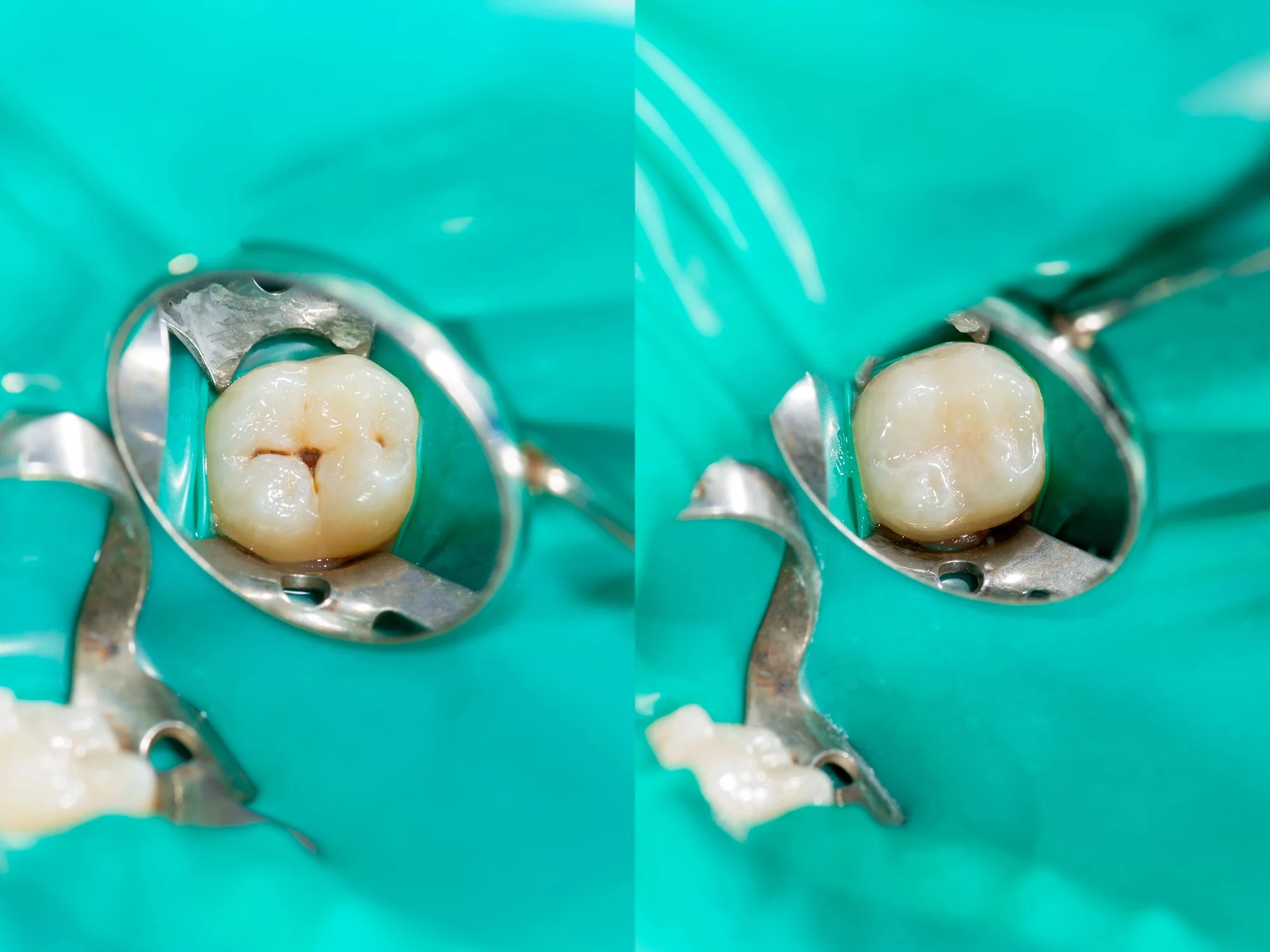
Dental sealants are thin protective coatings applied to the chewing surfaces of molars and premolars. These teeth have natural pits and grooves that can trap bacteria, increasing the likelihood of cavities.
How Sealants Create Protection
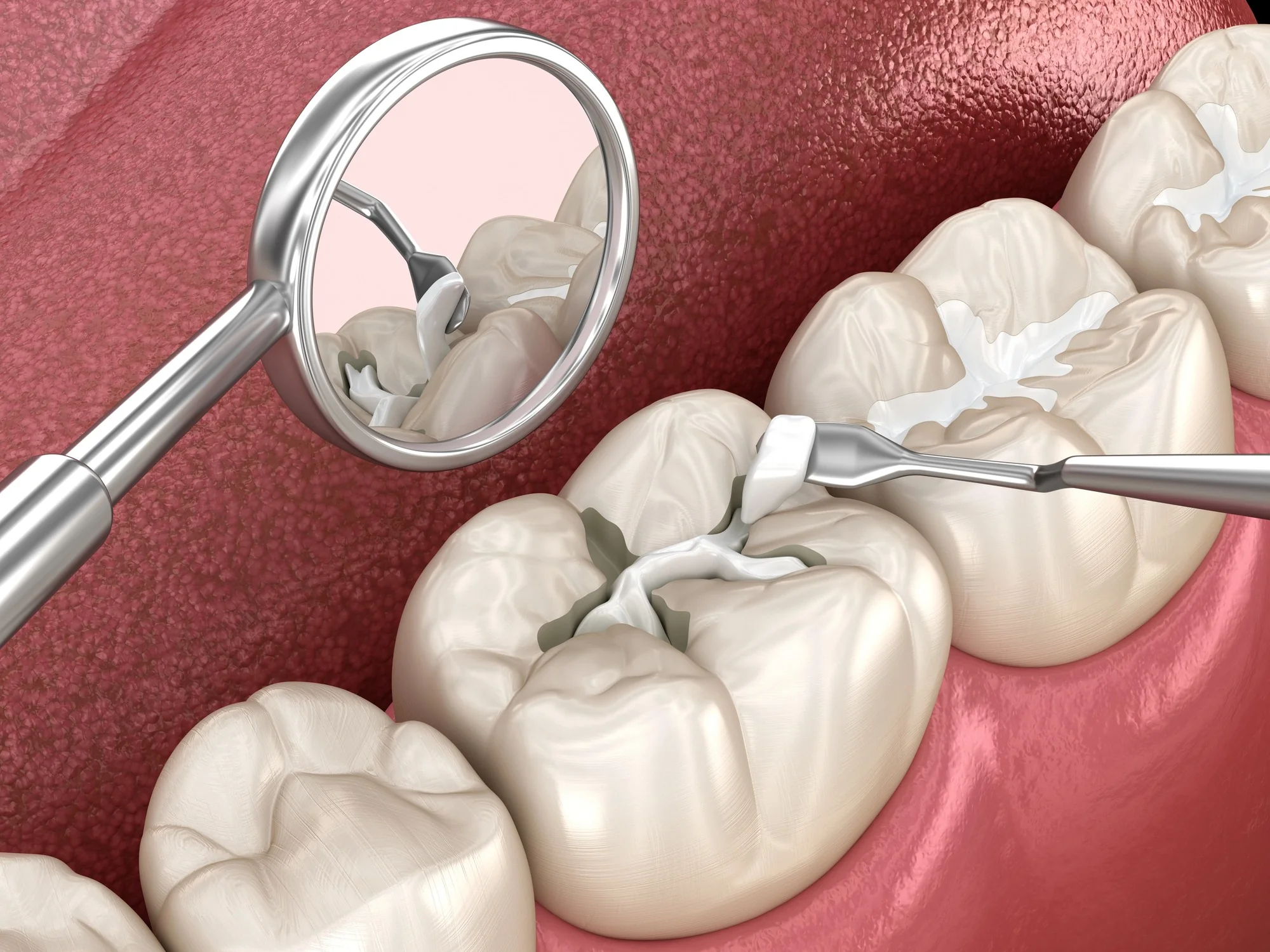
Once applied, the sealant flows into the tooth's grooves and hardens. This creates a smoother surface that is easier to clean and less likely to hold plaque. The sealant acts like a shield, helping prevent bacteria and food particles from settling into vulnerable areas.
Why Are Molars More Prone to Cavities?
Molars do the heavy work of chewing, so their surfaces are not flat. The ridges and grooves help break down food, but they can also make cleaning more difficult.
Plaque & Hard-To-Reach Areas
Plaque is a sticky film of bacteria that forms on teeth. When plaque remains on the chewing surfaces, it can produce acids that weaken enamel. Over time, this may lead to tooth decay. Sealants help reduce this risk by covering the areas where plaque often collects.
Who Can Benefit from Sealants?
Sealants are often recommended for children once their permanent molars come in. Protecting these teeth early can reduce the risk of cavities during the school-age years and adolescence.
Adults without fillings or decay in their molars may also be candidates. A dentist can check the condition of the teeth and determine whether sealants are a good preventive option.
What Happens During the Appointment?
Getting sealants is usually quick and comfortable. The teeth are cleaned first, then prepared so the sealant can bond properly. After the material is placed, it is hardened and checked for fit.
Simple Care After Treatment
Patients can usually return to normal eating and drinking soon after the appointment. Sealants are durable, but they should still be checked during routine dental visits. If a sealant becomes worn or chipped, it may need to be repaired or replaced.
Do Sealants Replace Brushing?
Sealants are helpful, but they do not replace daily oral hygiene. Brushing twice a day, flossing, drinking water, and visiting the dentist regularly are still essential. Sealants work best as part of a complete preventive care routine.
Visit A Dentist Office Near Me in 18104 For Sealant Care
Preventing cavities is often easier and more comfortable than treating them later. Dental sealants can provide added protection for back teeth, especially in areas that are naturally harder to clean. At Cedar Creek Dental, we help patients understand practical ways to protect their smiles with preventive care that supports long-term oral health.
Contact us today to schedule an appointment with a dentist office near me in 18104, and learn whether dental sealants are right for you or your family.
.svg)