Why Are Regular Dental Exams Important?
Routine dental exams can help detect oral health concerns while they are still in their early stages. Some dental problems may not cause noticeable symptoms right away, which is why regular examinations are important even when your teeth feel fine.
During an exam, your dentist can look for signs of cavities, gum disease, damaged restorations, and other concerns. Regular visits also allow your dental team to compare changes in your oral health over time.
Preventive exams are not only for patients experiencing dental problems. They are an important part of maintaining healthy teeth and gums for children, teenagers, and adults.
The Role of Dental X-Rays
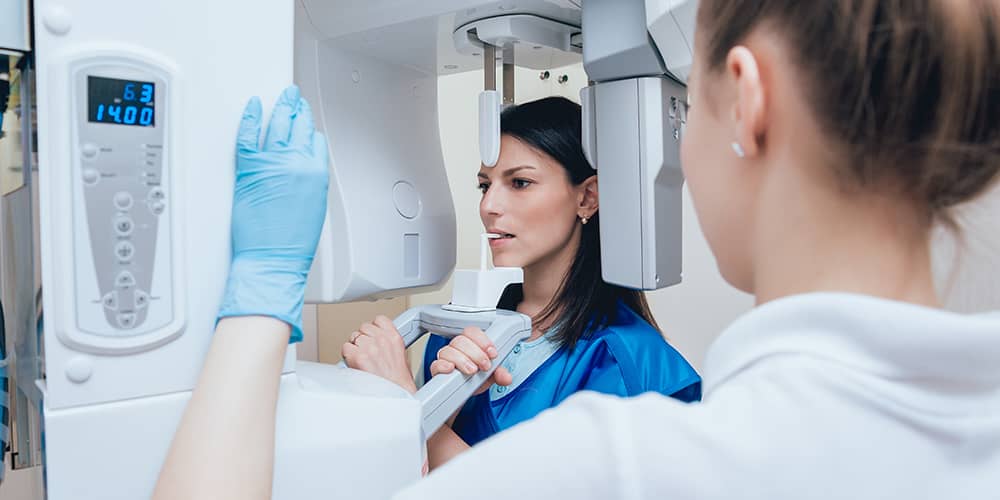
Dental X-rays provide information that cannot always be seen during a visual examination. They allow your dentist to evaluate areas below the visible surfaces of your teeth and surrounding structures.
X-rays can help your dentist identify concerns such as hidden decay, changes in the bone, tooth positioning, and other abnormalities. They can also provide useful information when developing a treatment plan.
Your dentist will determine when X-rays are appropriate based on your dental history, current oral health, age, and individual needs. Not every patient requires the same type or frequency of X-rays.
What to expect during your Dental Exam in Allentown, PA:
If you are new patient to Cedar Creek Dental, your dentist may do a brief initial exam to determine any obvious problems and then turn you over to a dental hygienist for a full dental exam and professional cleaning. If you have pain or an immediate problem, your dentist may deal with these issues first, before doing a full dental exam. From there, any further treatment depends on the state of your dental health.
Your appointment may include a review of your dental and medical history before your examination begins. Be sure to let your dental team know about any current concerns, discomfort, or changes you have noticed in your mouth.
Your dentist or hygienist will examine your teeth and gums and may take X-rays when needed. If an issue is identified, your dentist can explain the findings and discuss the next steps for treatment or monitoring.
If additional dental treatment is recommended, your dental team can help you understand why it is needed and what options may be available.
Dental Exams for New Patients
A first visit gives your dental team an opportunity to establish a baseline for your oral health. Your dentist can review your dental history and evaluate your current teeth, gums, and other areas of your mouth.
New patients may require a more comprehensive evaluation depending on their dental history and current needs. X-rays may also be recommended to provide your dentist with a more complete picture of your oral health.
If you have existing dental records or recent X-rays from another dental office, let your dental team know. They can determine what information may be useful for your current care.
Dental Exams for Children
Children also benefit from regular dental examinations. Their teeth and jaws are continuously developing, making routine monitoring important as they grow.
Dental X-rays may be recommended when appropriate to evaluate developing teeth and identify concerns that cannot be seen during a visual examination. Your dentist can determine which examinations and diagnostic tools are appropriate based on your child's age and dental development.
Regular visits can also help children become familiar with the dental office and develop positive habits around preventive dental care.
When Should You Schedule a Dental Exam?
You should maintain regular dental appointments even if you are not experiencing pain or other obvious symptoms. Routine examinations can help identify problems before they begin affecting your daily comfort or oral function.
You should also contact your dental office if you notice changes such as tooth pain, sensitivity, damaged teeth, bleeding gums, swelling, or other unusual symptoms. Your dentist can determine whether you need an examination sooner than your next routine appointment.
Dental Exams and Preventive Care
A dental exam works together with other preventive services to help maintain your oral health. Professional teeth cleanings remove plaque and tartar, while examinations allow your dentist to evaluate the condition of your teeth and gums.
Your dentist may also recommend other preventive treatments based on your individual needs. These may include dental sealants, fluoride treatments, or additional monitoring of areas that require attention.
Keeping up with recommended appointments can make it easier to stay informed about your oral health and address concerns as they arise.

.svg)