A weak tooth rarely announces itself loudly. It might be a little sensitivity when you bite down, a filling that has been in place since the nineties, or a hairline crack you noticed once and then forgot about. None of that feels urgent, which is exactly why so many patients wait longer than they should before asking about tooth crown treatment in Allentown, PA.
What Makes a Tooth Weak in the First Place
A tooth becomes structurally weak for a handful of common reasons. Decay that has been quietly spreading under an old filling eventually leaves too little healthy tooth remaining to support another filling, a fact often discovered only after the old filling starts to fail.
Years of grinding can wear down enamel until the tooth's shape and strength are compromised, sometimes without the person ever noticing they grind at all. A crack that started as a minor annoyance can deepen every time you chew, especially on a tooth that already handles more bite force than its neighbors. Root canal treatment removes the nerve tissue inside a tooth, leaving it more brittle and prone to fracture without something to cover it afterward.
That last point matters more than most patients realize. Dentists sometimes use crowns after root canal treatment specifically to seal the tooth and prevent it from breaking, according to Kaiser Permanente's patient education materials, since a tooth that has already lost its nerve gives no pain signal to warn you if a crack is forming underneath.
Why Waiting Turns a Small Fix Into a Bigger One
Waiting tends to turn a straightforward fix into a more complicated one. A tooth with a small crack or moderate decay is often still a good candidate for a crown. This relatively conservative option preserves as much natural structure as possible.
Left alone, that same tooth can progress to the point where decay reaches the nerve, requiring root canal treatment first, or a crack can spread deep enough that the tooth splits and has to be extracted instead of saved. Crown treatment usually gets simpler the sooner it happens, not the other way around.
A few signs are worth paying attention to before that window closes, which is exactly what a routine dental exam and cleaning are designed to catch early.
- Sharp pain when biting down on a specific tooth, even if it fades quickly
- A tooth that feels different in size, shape, or texture compared to its neighbors
- Visible cracks, or a filling that has chipped, shifted, or come loose
- Increased sensitivity to hot or cold that lingers longer than it used to
- A tooth that has already had root canal treatment but never received a permanent crown
When a Crown Is the Right Call
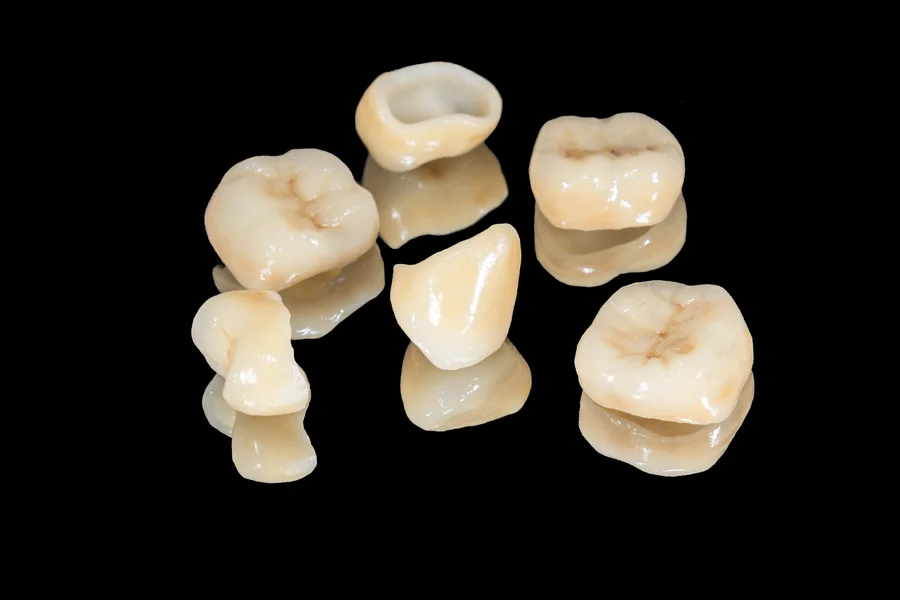
When a crown is the right call, it works by covering the entire visible portion of the tooth above the gumline, distributing chewing forces more evenly across the tooth rather than concentrating pressure on the weakened area.
That protection is often what keeps a fragile tooth in your mouth for years longer than it would last on its own, which is the whole point of catching issues early enough that tooth crown treatment in Allentown, PA, remains a realistic, conservative option.
Crowns also come up in other restorative work, since they anchor the abutment teeth on either side of a dental bridge and cap teeth after more involved procedures. Our team walks every patient through which option actually fits their situation, rather than defaulting to the same recommendation for every weak tooth.
Ready to Talk About Tooth Crown Treatment in Allentown, PA?
A tooth that feels slightly off today is easier to protect than one that has already cracked or decayed further. Cedar Creek Dental can evaluate a weak or sensitive tooth, check that gum health is not the problem, and walk you through options before a small problem turns into a bigger one.
Our team can also cover insurance and payment options, so cost is never a surprise. Contact us today to schedule an exam.

