When you think of cancer screenings, oral cancer may not be the first that comes to mind. But with over 50,000 Americans diagnosed each year, early detection of this condition is critical and can often be life-saving. If you're searching for oral cancer screening near me, you're already taking a powerful first step toward protecting your health.
This guide will help you understand when to start, what risk factors to watch for, and how screenings naturally fit into your regular dental care.
What Is Oral Cancer and Why Does Screening Matter?
Oral cancer refers to abnormal cell growth in the mouth, tongue, lips, throat, or surrounding tissues. Like many cancers, it can progress silently, often without pain or obvious symptoms at first. That’s what makes early detection so essential.
The good news? When caught early, oral cancer has a much higher survival rate and often requires less aggressive treatment.
So, when should you start getting screened?
1. You’re 18 or Older and Visit the Dentist Regularly
While oral cancer is more common in people over 40, screenings can and should start earlier. Many dental professionals begin oral cancer checks during routine exams as early as age 18.
Screenings are quick, painless, and included in most dental checkups, meaning you're likely already getting screened without even realizing it.
2. You’re Over 40 or Have Risk Factors
If you’re over 40, your risk increases significantly, and annual screenings are highly recommended, even if you feel perfectly healthy. You're also considered high-risk if you:
- Use tobacco (including smoking, vaping, or chewing)
- Consume alcohol frequently
- Have HPV (Human Papillomavirus), a known risk factor
- Have a family history of oral cancer
- Spend a lot of time in the sun (which increases lip cancer risk)
If any of these apply to you, don’t wait: discuss an oral cancer screening with your dentist at your next appointment.
3. You’ve Noticed Unexplained Changes in Your Mouth
A professional should evaluate any unusual changes that persist for more than two weeks. These include:
- Persistent mouth sores or ulcers
- Red or white patches on your gums, tongue, or cheeks
- Difficulty swallowing
- Lumps, bumps, or thickened areas in the mouth or neck
- Numbness or pain in the mouth without an obvious cause
Even if it turns out to be nothing serious, it’s always better to be safe.
What Happens During an Oral Cancer Screening?
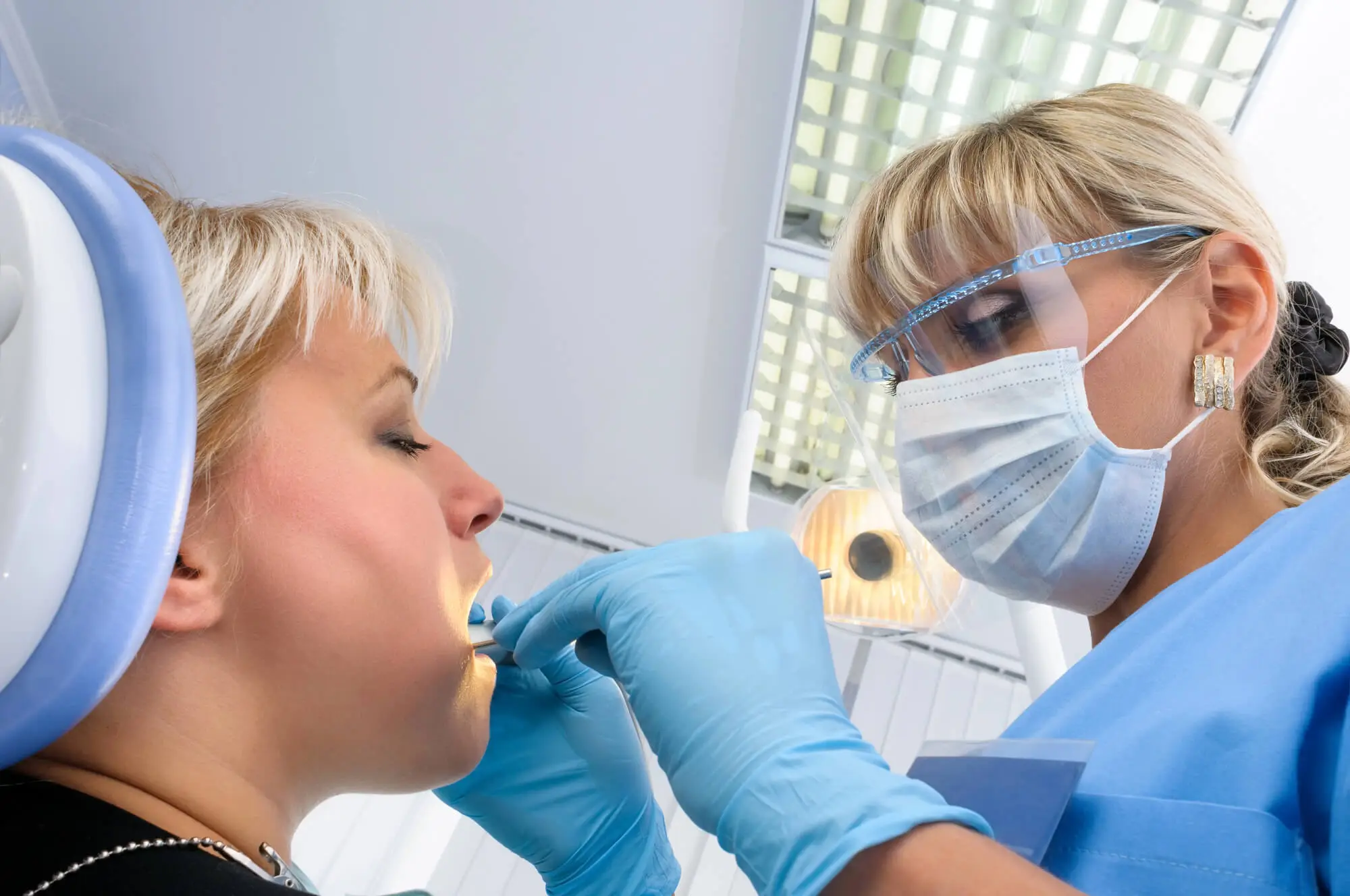
An oral cancer screening is a simple and noninvasive procedure. Your dentist will:
- Visually inspect your mouth, lips, tongue, throat, and gums
- Feel the tissues in your mouth and neck for lumps or irregularities
- Ask about any symptoms like soreness, hoarseness, or difficulty swallowing
- Some practices may use special lights or dyes to detect abnormal cells.
The entire screening typically takes under 5 minutes—but its impact could be life-changing.
Stop Looking for Oral Cancer Screening Near Me and Get Care at Cedar Creek Dental
In dentistry, prevention is powerful. That’s why we recommend routine oral cancer screenings with every dental exam—especially for patients over 40 or with known risk factors.
If you’re looking for a proactive team that takes your overall health seriously, Cedar Creek Dental can help. Call today or book online to schedule your oral cancer screening in Allentown, PA. It’s a small step that could make a big difference!
.svg)